A City Day with One Fixed Stop and Room to Wander
Plan a city day around one fixed stop, with enough open time to notice nearby cafés, markets and streets without turning the visit into a route.
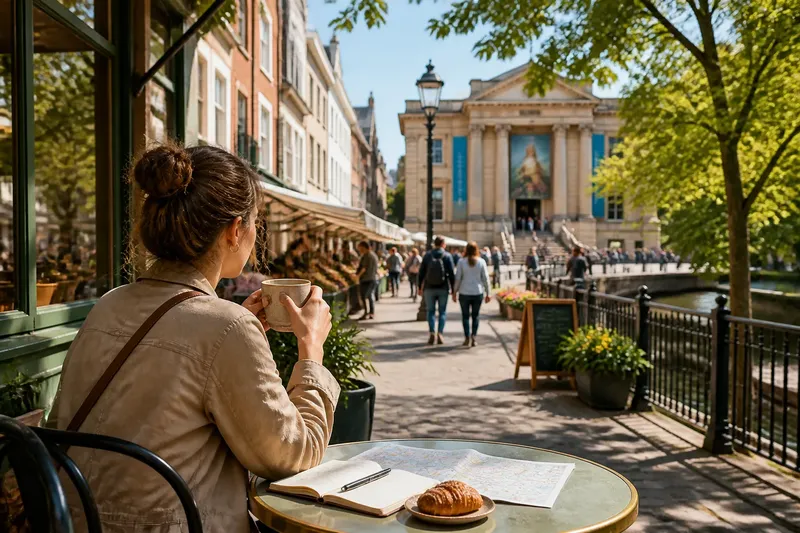
A city day with one fixed stop can begin with a museum ticket in your pocket and an otherwise empty afternoon. That single commitment gives the day a centre; the streets around it can supply the rest, from a bakery window to a small market you had not planned to visit.
The useful question is not how many sights fit between breakfast and dinner. It is how much structure helps you feel settled without making every pause seem like a delay. Three approaches suit different temperaments: a destination-led day, a neighbourhood-led day, and a loose loop that returns you to a chosen base.
Destination-led days
Choose this approach when one place matters enough to shape the visit: an exhibition, a botanical garden, a concert matinee or a particular building open to the public. Make that the only appointment that requires you to arrive at a set time. Leave the surrounding hours available for walking, eating and deciding what seems appealing once you are there.
Before setting out, check the destination’s opening arrangements and how to reach it. A paper map or a saved map in Google Maps can help you see what lies within an easy walk, but treat nearby pins as prompts rather than obligations. Look for ordinary useful places too: a public library, a covered arcade, a food hall or a bench in a small square.
This approach suits visitors who enjoy having a clear reason to cross town, or who are travelling with someone whose energy is easier to manage around a known focal point. It may be less comfortable if the destination is far from other places you would enjoy, or if the fixed time makes the rest of the day feel like waiting.
Neighbourhood-led days
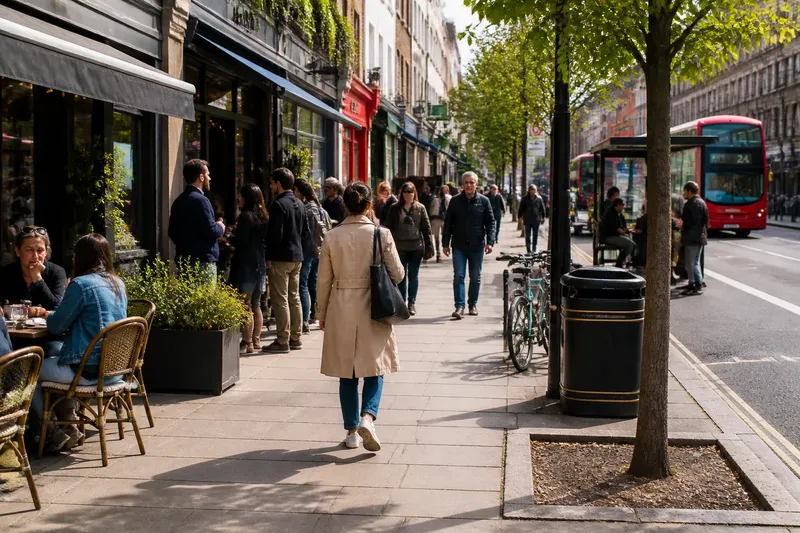
For a slower visit, choose one district as the day’s anchor and keep the named destination modest: a café, a local market or a public garden. The pleasure lies in getting a feel for how the area works, not in collecting attractions. Walk along a main street, turn into a side lane when something catches your attention, and let a meal or a sheltered place to sit become the day’s natural pause.
A neighbourhood-led day suits people who like noticing small details: shop shutters being raised, deliveries arriving, or the change from busy high street to quieter residential blocks. It can also be kinder to a mixed group, since people can stop for different reasons without abandoning the shared plan. Agree on a broad area and a place to meet again, rather than asking everyone to follow the same pace.
Its weakness is vagueness. If you are tired, hungry or short on time, “we’ll see what we find” can become an unhelpful decision repeated at every corner. Give the day one simple anchor, such as lunch near the market, so there is a clear next point without turning the afternoon into a timetable.
Loose-loop days
A loose loop combines a fixed stop with a gentle sense of direction. Pick a starting point, one destination and an approximate return area, then leave the streets between them open. The loop might follow a canal towpath, pass through a shopping street and end near a railway station or a familiar café. It is a shape, not a prescribed route.
This works well when you want to wander but would rather not finish far from transport or your accommodation. It can also help with practical needs: a known place to refill a water bottle, use a public toilet or sit indoors if the weather turns. Keep an alternative in mind, such as a bus ride back, without treating it as a failure to complete the walk.
Say you have booked a morning visit to a gallery and are staying near a central station. You could leave the afternoon unassigned, notice a covered market on the walk towards the river, stop for lunch there and then decide whether to continue to a garden or head back for a rest. The observable result is a day with one firm arrival and several genuine choices, rather than a string of appointments.
Choosing your shape
Choose by asking what kind of uncertainty feels pleasant today. If you want a clear purpose, use a destination-led plan. If you would rather absorb the character of one area, choose a neighbourhood-led day. If you enjoy wandering but want a reliable way back, make a loose loop.
Then check the conditions that could change your choice: opening hours, weather, transit service, walking comfort and the needs of anyone joining you. A café may be a better anchor than a timed attraction on a wet day; a garden may suit a group that needs room to pause. Keep the fixed stop genuinely singular. Adding a second appointment often turns the open space between them into a corridor to hurry through.
It also helps to decide what counts as a satisfying day before you leave. You might want to eat somewhere new, spend unhurried time in one place, or come back with a better sense of a neighbourhood. That modest intention gives wandering direction without requiring every discovery to justify itself.
What do visitors ask?
How many places should I plan for?
For this style of visit, one timed destination is usually enough; nearby places can remain optional. If you want a second stop, choose one that can be dropped without disrupting the day.
How do I choose the fixed stop?
Pick somewhere you would be glad to visit even if no other discovery follows. Check its opening details and location, then consider whether the surrounding area offers places to eat, rest or continue walking.
What if the weather changes?
Keep an indoor alternative near your chosen area, such as a library, covered market or café. A change of direction can preserve the day’s easy pace without requiring a new itinerary.
Is this approach suitable for a group?
It can be, provided the group agrees on the fixed stop and has room to split briefly for different interests. Choose an easy meeting point and make the optional parts truly optional.
Leave a little margin
A city day with one fixed stop works best when the open time is treated as part of the plan, not as empty space that must be filled. Leave room for a long lunch, a quiet bench or a street that invites a detour. Before setting off, note one convenient way back and one nearby place to pause; then let the day’s remaining choices belong to the streets you meet.